When the days grow shorter and frost settles across gardens, many of us retreat indoors to warmth and comfort. For garden birds, however, winter is a season of survival. Food sources dwindle, water freezes, and shelter becomes harder to find. Yet, with a little care and planning, your garden can become a lifeline for these feathered visitors, ensuring they not only survive but thrive until spring returns.
Challenges for Birds
Winter brings several challenges for birds. Insects, berries, and seeds are scarce, leaving them struggling to find enough energy to stay warm. Small birds lose heat quickly and need high‑fat foods to maintain body warmth. Frozen water limits their ability to drink and bathe, while leafless trees and hedges expose them to predators and harsh weather. Despite these obstacles, many species remain active in Irish gardens during winter, including robins, blackbirds, blue tits, sparrows, and goldfinches. Each relies on gardens as reliable feeding grounds when natural supplies run low.
How you Can Help
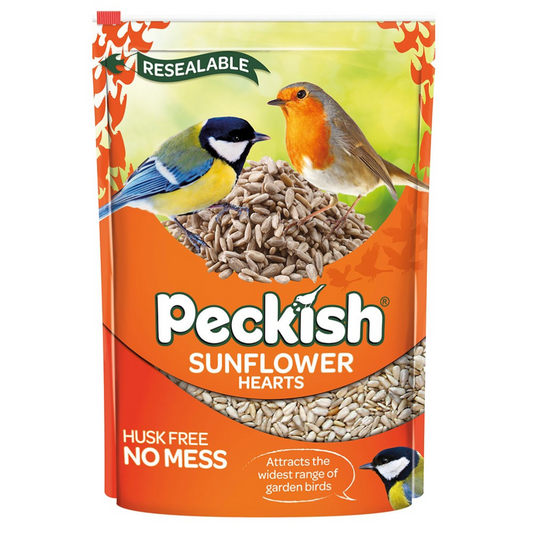
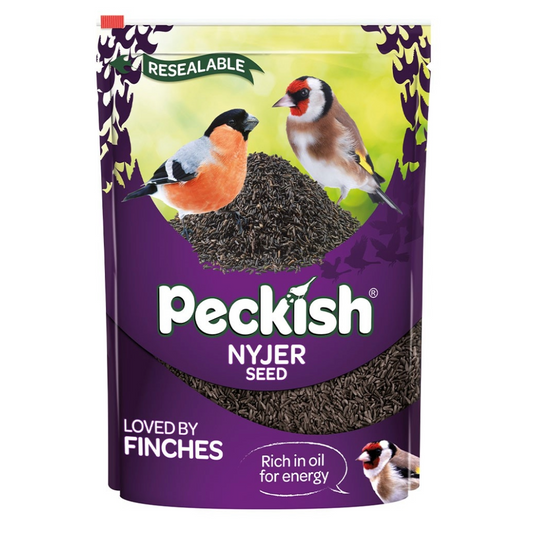
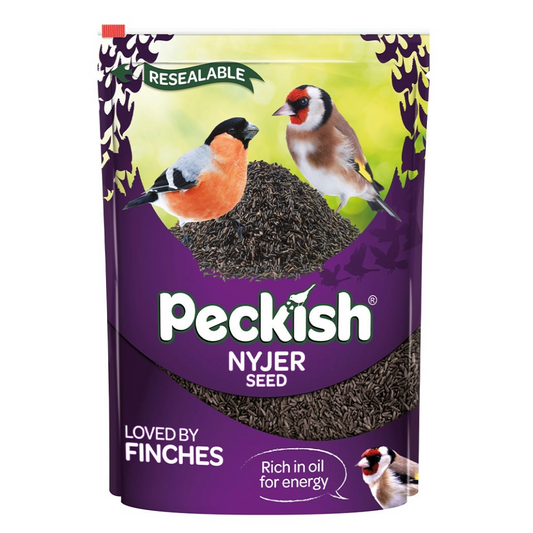
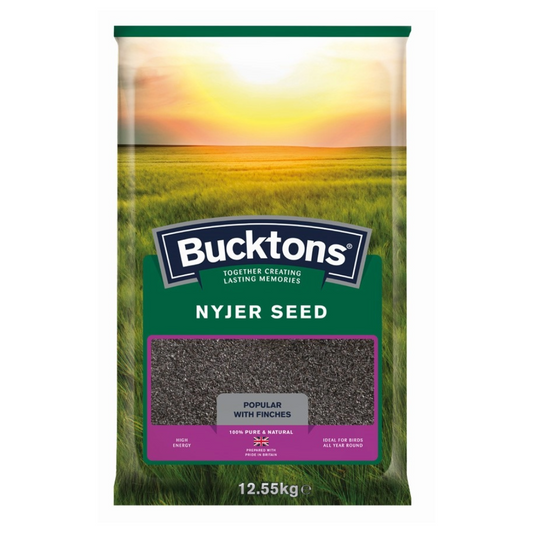
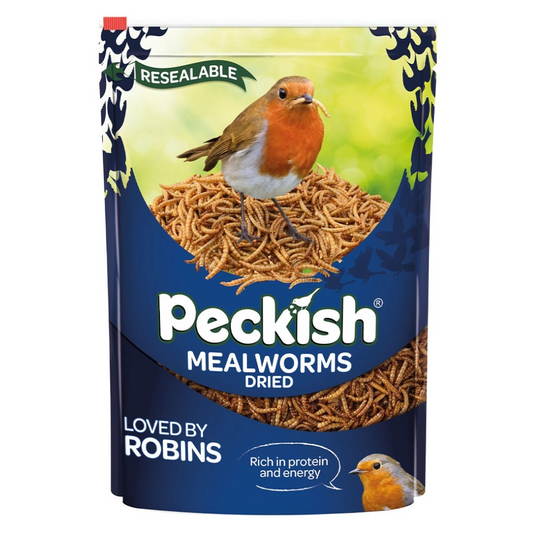
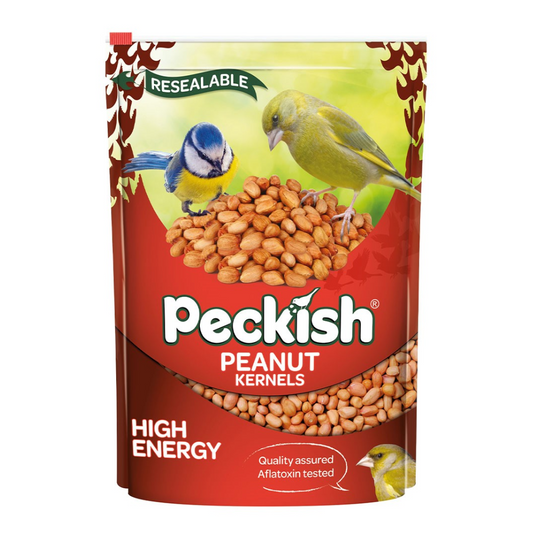
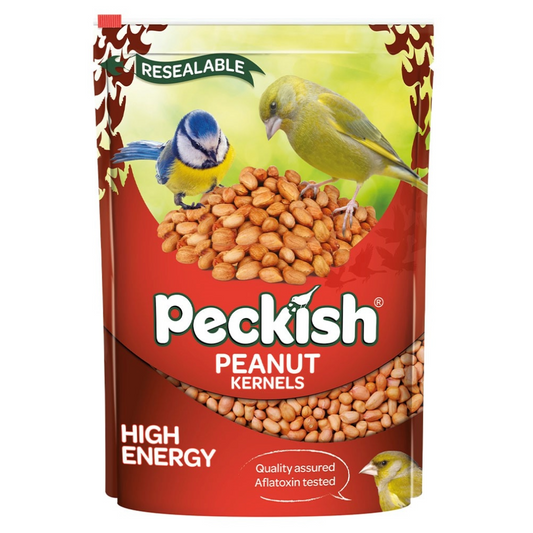
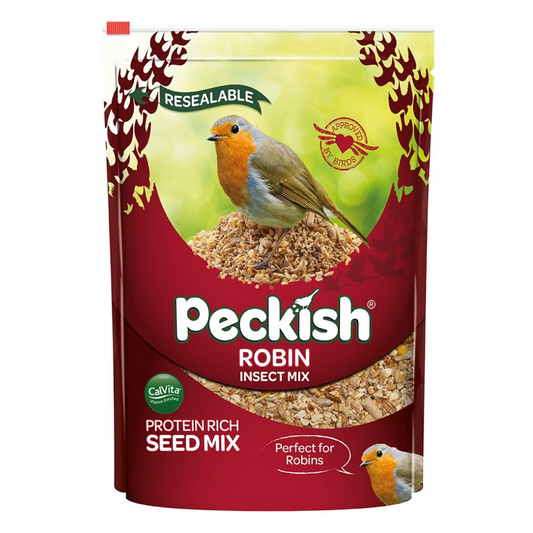
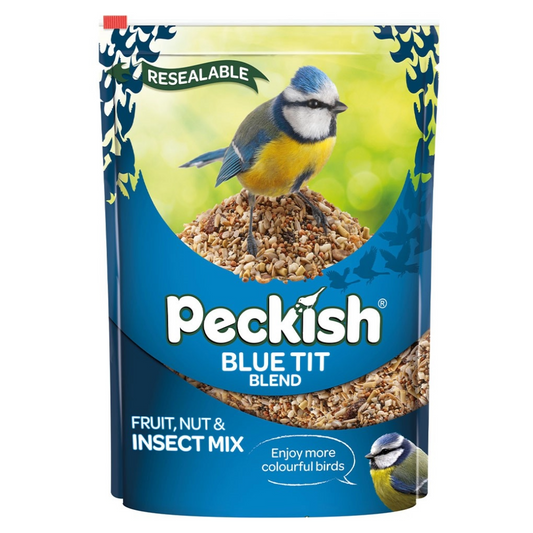
One of the most effective ways to support birds in winter is by providing high‑energy food. Products such as sunflower hearts, peanuts, suet cakes, and energy balls deliver the calories birds need to stay warm. Mealworms are particularly popular with robins and blackbirds, while nyjer seed attracts goldfinches. Alongside specialist seeds and suet treats, Farm & Home Store also offers large bags of mixed bird food, ensuring your feeders stay full and your garden visitors are always well supplied throughout winter
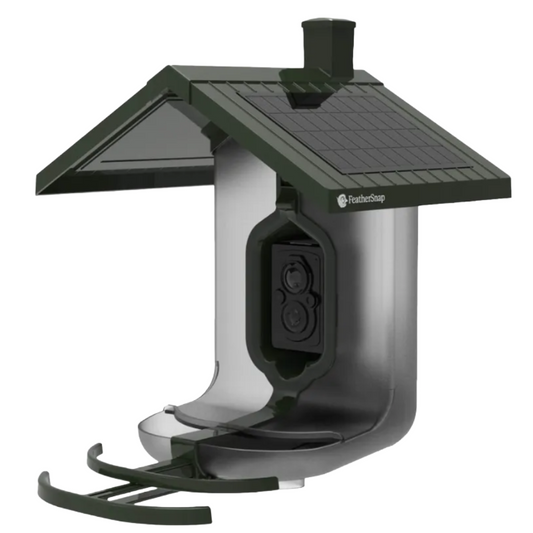
Feeders play a vital role in making food accessible. Multi‑arm feeding stations allow you to offer a variety of seeds, nuts, and suet, while bird tables provide a classic option that suits all garden styles. Position feeders in sheltered spots to protect birds from wind and rain, and remember to clean them regularly to prevent disease. A steady supply of food, presented safely, can transforms your garden into a dependable feeding station.

Water is just as important as food. Birds need to drink and bathe even in the coldest months, but frozen conditions often make this difficult. Placing shallow dishes of water in sunny spots and checking them daily helps ensure birds have access. Simple tricks, such as floating a small ball on the surface, can prevent freezing and keep water available for longer.
Shelter is another essential element of a winter sanctuary. Dense shrubs, hedges, and evergreen plants provide cover from predators and harsh weather. Bird house's and nest boxes can also serve as roosting spots, giving birds a safe place to rest overnight. Leaving seed‑bearing plants uncut in autumn, such as teasels and sunflowers, offers natural foraging options that complement supplementary feeding.

By combining food, water, and shelter, your garden becomes more than a feeding station — it becomes a sanctuary. Even small urban gardens or balconies can make a difference. A few feeders, a water dish, and some evergreen plants can transform your space into a haven for wildlife. Winter may be a season of hardship for garden birds, but it’s also an opportunity for us to connect with nature and make a tangible difference. With the right support, birds conserve energy, stay warm, and survive until spring.